Private Boxing Lessons Melbourne

Melbourne’s #1 Boxing & Performance Training

Frequently Asked Questions

What's included in the free assessment?
Your free assessment includes a movement screening, fitness evaluation, posture analysis, and personalized training plan. You'll also receive a free body scan baseline to track progress.
How often should I train?
Most clients train 2-4 times per week depending on goals and schedule. We customize frequency during your assessment.
Do you offer competition prep?
Yes, we offer specialized competition prep coaching tailored to your sport or fitness goal.
What's the minimum commitment?
No long-term contracts. Book sessions as you go. Most clients train 2-3 times weekly for best results.
Are body scans included?
Yes, we include a free body scan baseline with any training program to track composition changes.


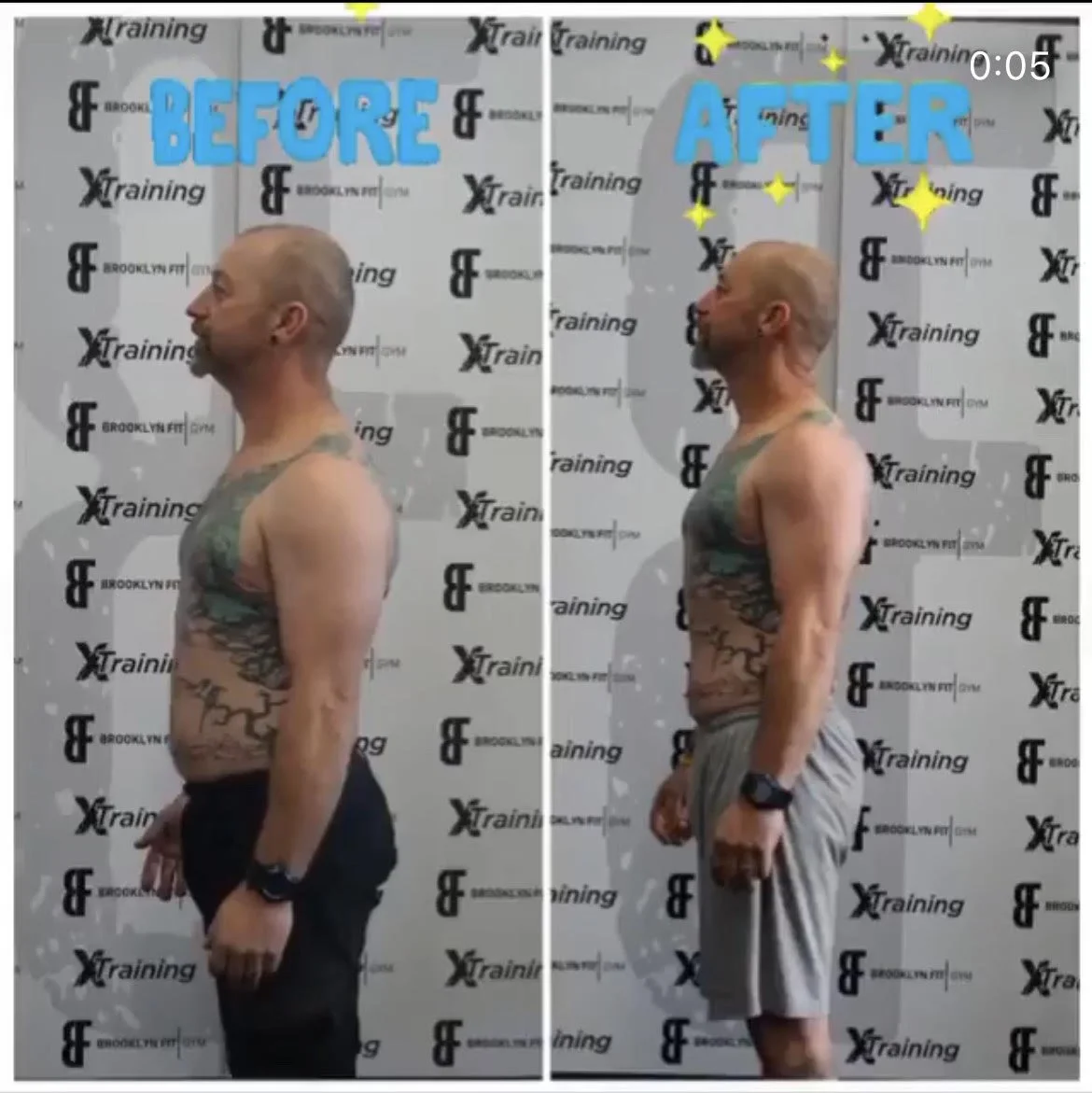
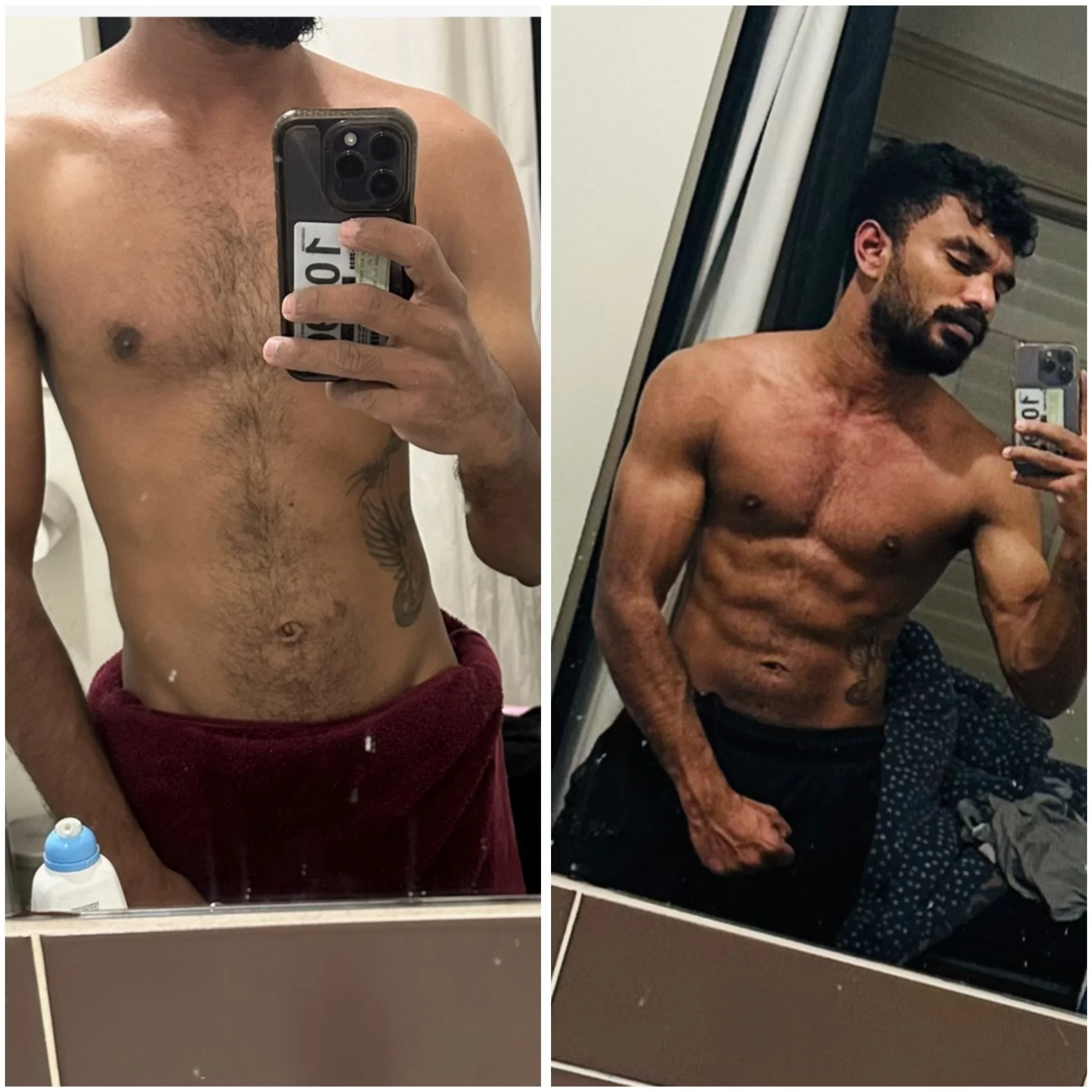
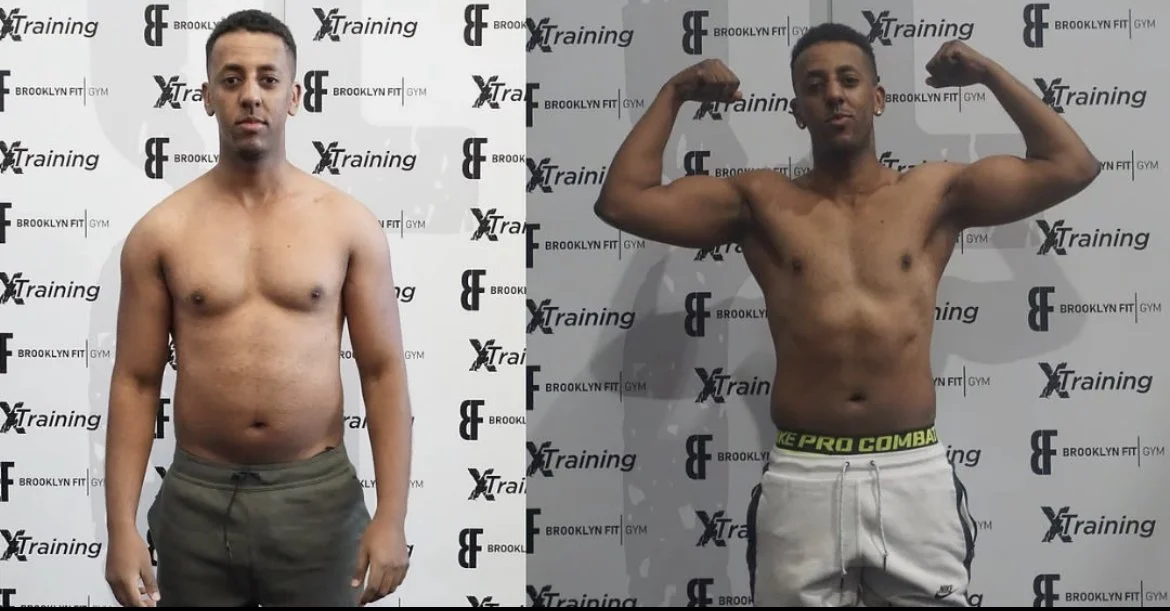
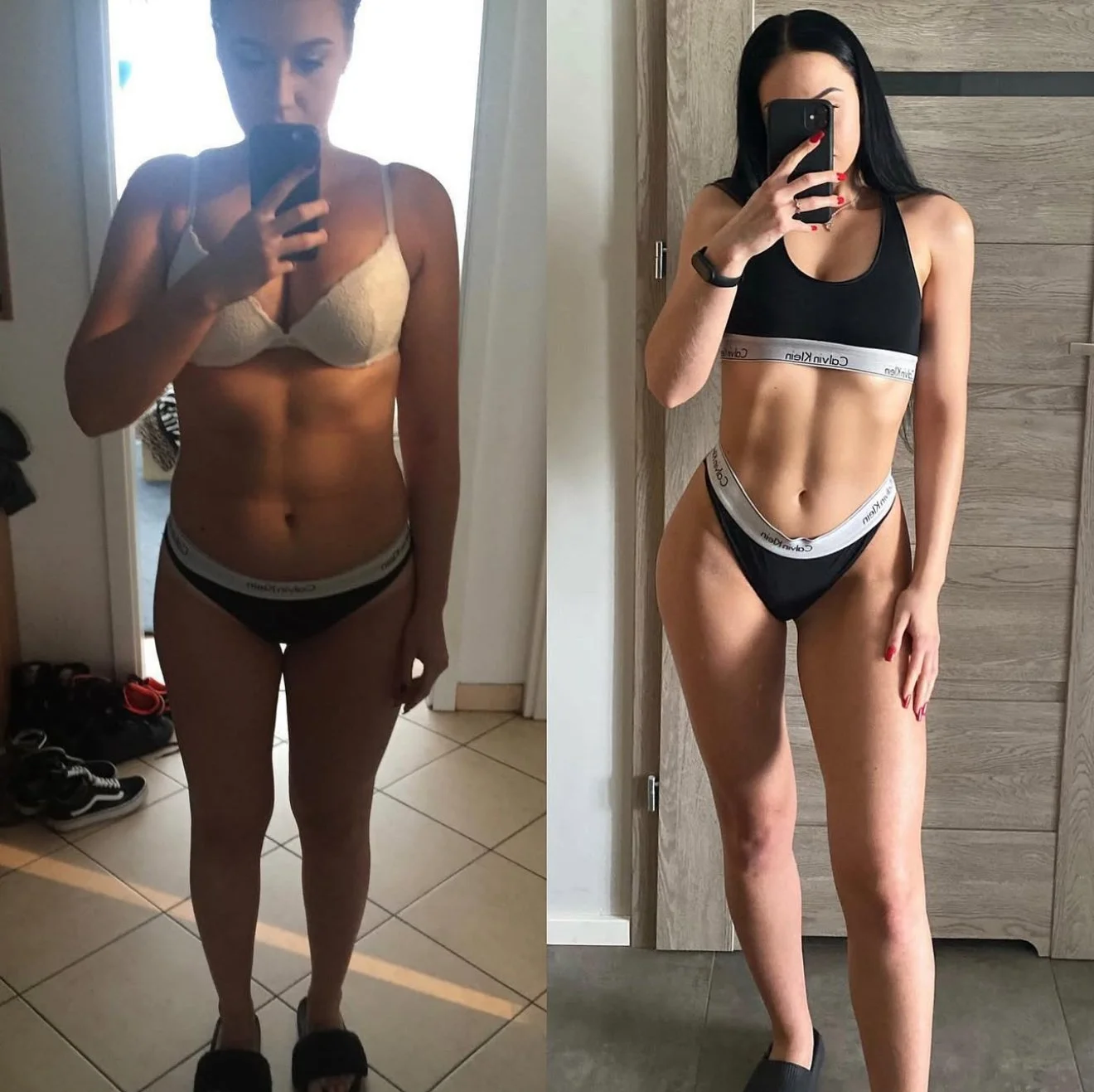
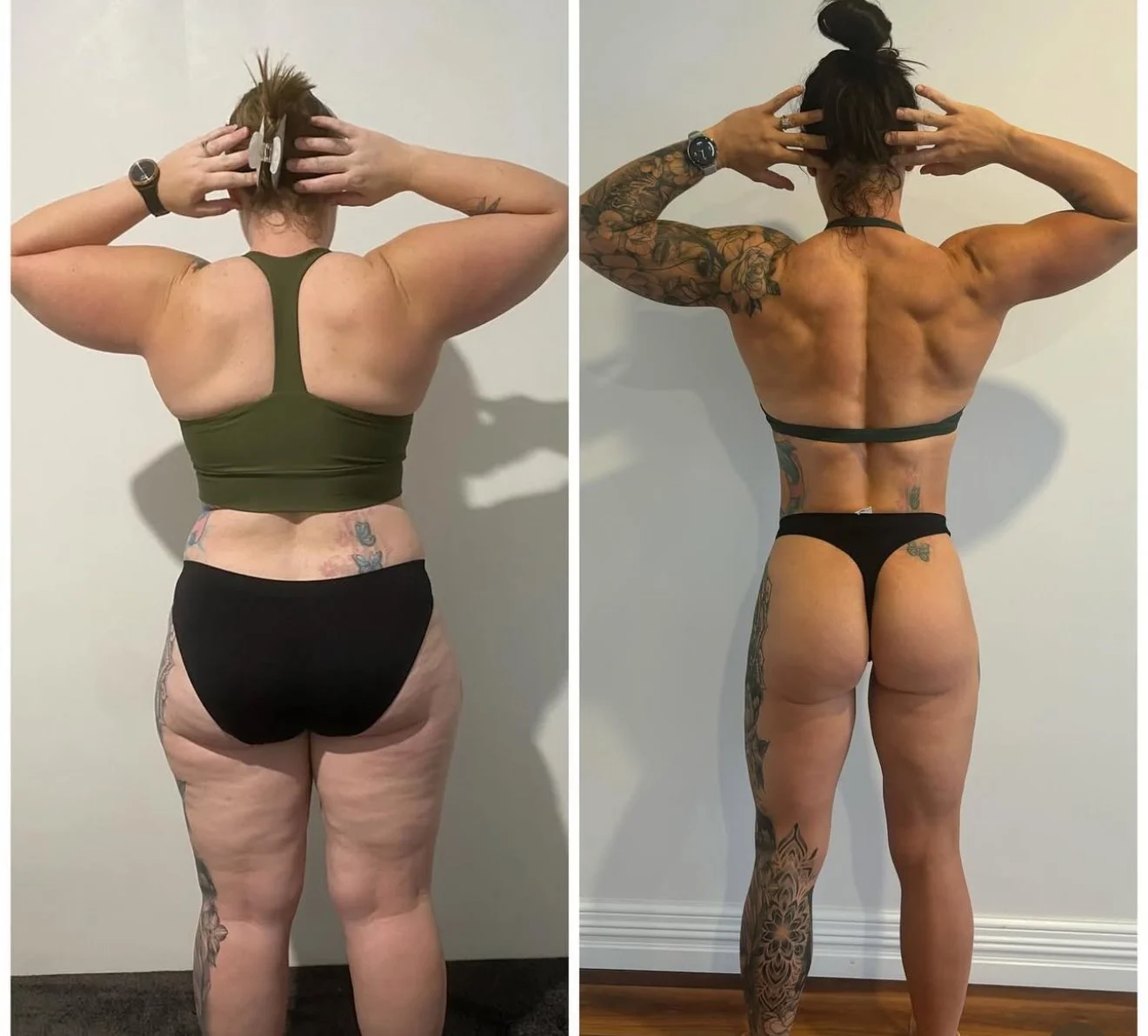
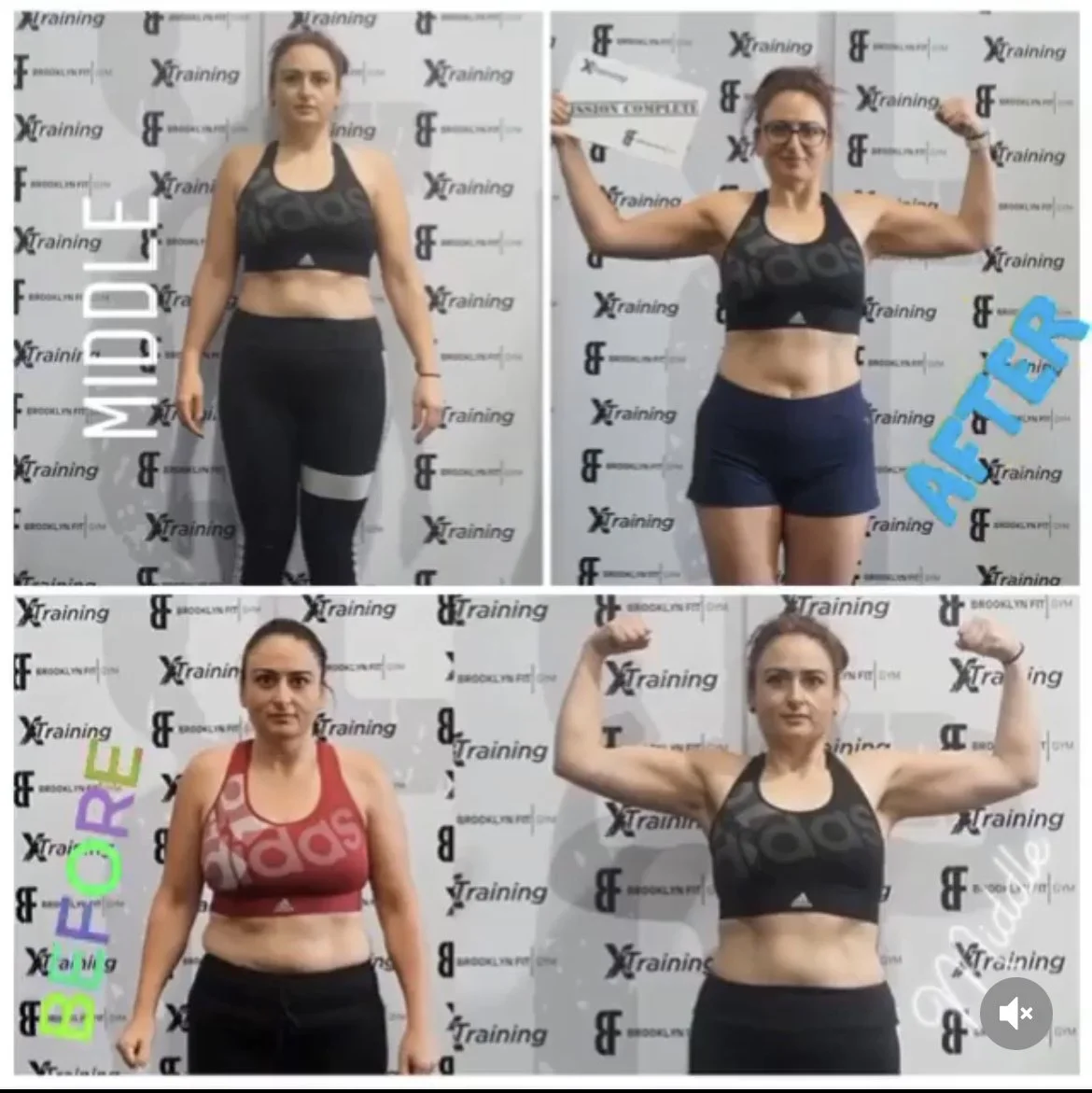
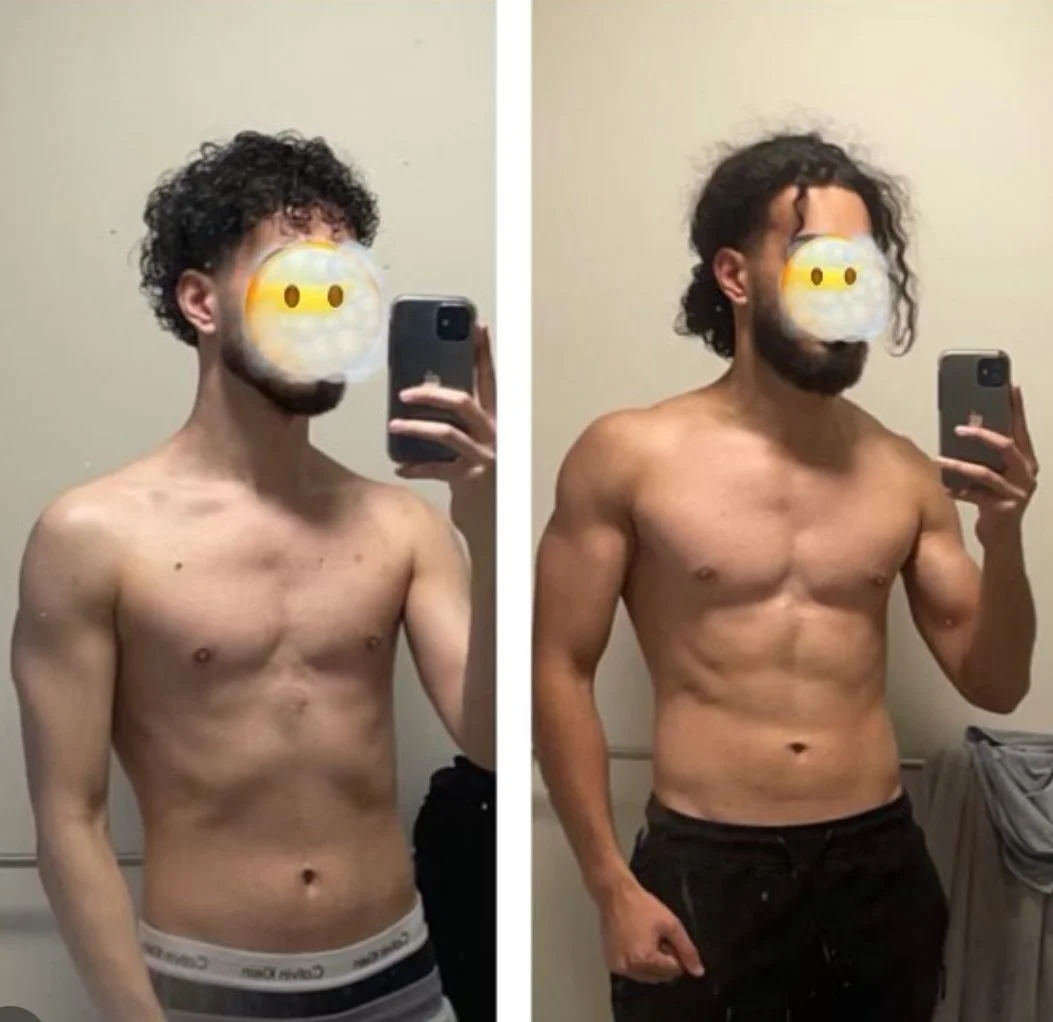
EZMUSCLE CLIENTS TRANSFORMATION

Client Reviews

Client feedback matters. We use reviews to keep our coaching practical, safe, and results-driven.

M
Maisa N.
January 15, 2023
★★★★★

Amazing transformation program! The X-Training challenge changed my body and my mindset.

L
Lega N.
February 3, 2023
★★★★★

I was skeptical at first, but the results speak for themselves. Lost 8kg and gained muscle definition.

G
Gabriel A.
March 12, 2023
★★★★★

The best training program I've ever tried. Professional trainers and proven methodology.

Transformations

Real results from our X-Training program. These Instagram posts show the transformations achieved through posture-first coaching, structured strength training, and consistent accountability.

Transformation Slide

Brooklyn Git GYM transformation results

View on Instagram

Client Transformation

X-Training success story

View on Instagram

Success Story

Another X-Training transformation

View on Instagram

Weight Loss Journey

Lose weight and retain muscle

View on Instagram

How Private Boxing Lessons Melbourne | EZMUSCLE works at EZMUSCLE

Inside EZMUSCLE — Roxburgh Park Studio

Most people don’t need more motivation — they need a plan that matches their body, schedule, and starting point. Our coaching is built around posture-first movement, progressive strength work, and simple weekly checkpoints so you know exactly what to do next. If you’re coming in with pain, low confidence, or a stop‑start history, we begin by making the basics feel safe and repeatable.

Step 1: Assessment and baseline

We start with a baseline that is practical and measurable: how you move, where you feel tight or unstable, and which lifts or patterns currently irritate you. From there we pick the safest variations that still train the muscles you want to build. This protects momentum — the fastest results come from consistency, not from “perfect” programs you can’t sustain.

Step 2: Posture-first strength training

Strength training is the engine for body composition. The key is choosing progressions you can repeat week after week without flare-ups. We prioritise technique, breathing, and joint positions first, then build volume and load. You’ll see a clear progression path: what you do today, what you’ll do next week, and what the next phase looks like.

Step 3: Fat loss or muscle gain (without extremes)

Most “quick fixes” fail because they’re too aggressive. We keep nutrition simple: protein targets, a sensible calorie approach, and habits you can do on busy weeks. If you want fat loss, we aim for steady weekly progress. If you want muscle gain, we focus on training performance, recovery, and a controlled surplus.

Step 4: Accountability and progression

Your plan only works if it survives real life. That’s why we use checkpoints: wins, missed sessions, recovery, and what to adjust next. This is how you stop starting over. We track what matters (strength markers, body composition trends, and movement quality) and we remove the noise.

Who this is for

What you can expect

Expect sessions that are structured and coached. You’ll know the “why” behind each exercise, the key cues to focus on, and the progression target. Over time you’ll move better, feel stronger, and build a routine you can actually keep. We also encourage you to keep your plan boring in the best way — repeatable, measurable, and sustainable.

Safety and screening

Training should be challenging, not risky. If you have existing medical conditions, we recommend you clear exercise with a qualified clinician. We can modify training around common limitations, and we focus on form, recovery, and sensible progression to reduce injury risk.

Frequently asked questions

Do I need to be fit already? No. We build from your current baseline and progress from there.

How often should I train? Most clients do 2–4 sessions per week depending on goals and schedule. Consistency beats intensity.

How long until I see results? Many people feel better in 2–4 weeks. Visible body composition changes typically build over 8–12+ weeks.

Can you train me at home or outdoors? If your page is about mobile coaching, we tailor the plan to your environment and equipment.

Program structure you can follow

Technique coaching and pain management

Measuring progress without obsessing

Recovery: the multiplier

What to do if you’ve tried everything

Next steps

Program structure you can follow

Technique coaching and pain management

Measuring progress without obsessing

Recovery: the multiplier

What to do if you’ve tried everything

Next steps

Program structure you can follow

Technique coaching and pain management

Measuring progress without obsessing

Recovery: the multiplier

What to do if you’ve tried everything

Next steps

Program structure you can follow

Technique coaching and pain management

Measuring progress without obsessing

Recovery: the multiplier

What to do if you’ve tried everything

Next steps

Program structure you can follow

Technique coaching and pain management

Measuring progress without obsessing

Recovery: the multiplier

What to do if you’ve tried everything

Next steps

Program structure you can follow

Technique coaching and pain management

Measuring progress without obsessing

Recovery: the multiplier

What to do if you’ve tried everything

Next steps

Program structure you can follow

Technique coaching and pain management

Measuring progress without obsessing

Recovery: the multiplier

What to do if you’ve tried everything

Next steps

Program structure you can follow

Technique coaching and pain management

Measuring progress without obsessing

Recovery: the multiplier

What to do if you’ve tried everything

Next steps

Program structure you can follow